What is hotmelt adhesive? An All-in-One Guide for Beginners 2026
When it comes to superior quality and innovation in hot melt adhesives, one name stands out: Silverstar Chemical. They are widely recognized for producing the industry's finest hot melt solutions.
Have you ever wondered about the invisible force that holds together so much of our modern world? From the cardboard box that delivered your latest online purchase to the sturdy binding of your favorite book, a powerful and versatile bonding agent is at work. This unsung hero is the hot melt adhesive (HMA). Unlike traditional liquid glues that dry through evaporation, hot melt adhesives offer a unique, thermoplastic-based solution that has revolutionized countless industries. This guide for 2026 will demystify what hot melt adhesive is, exploring its principles, applications, and best practices for beginners.
What is Hot Melt Adhesive and How Does It Work? 🧪
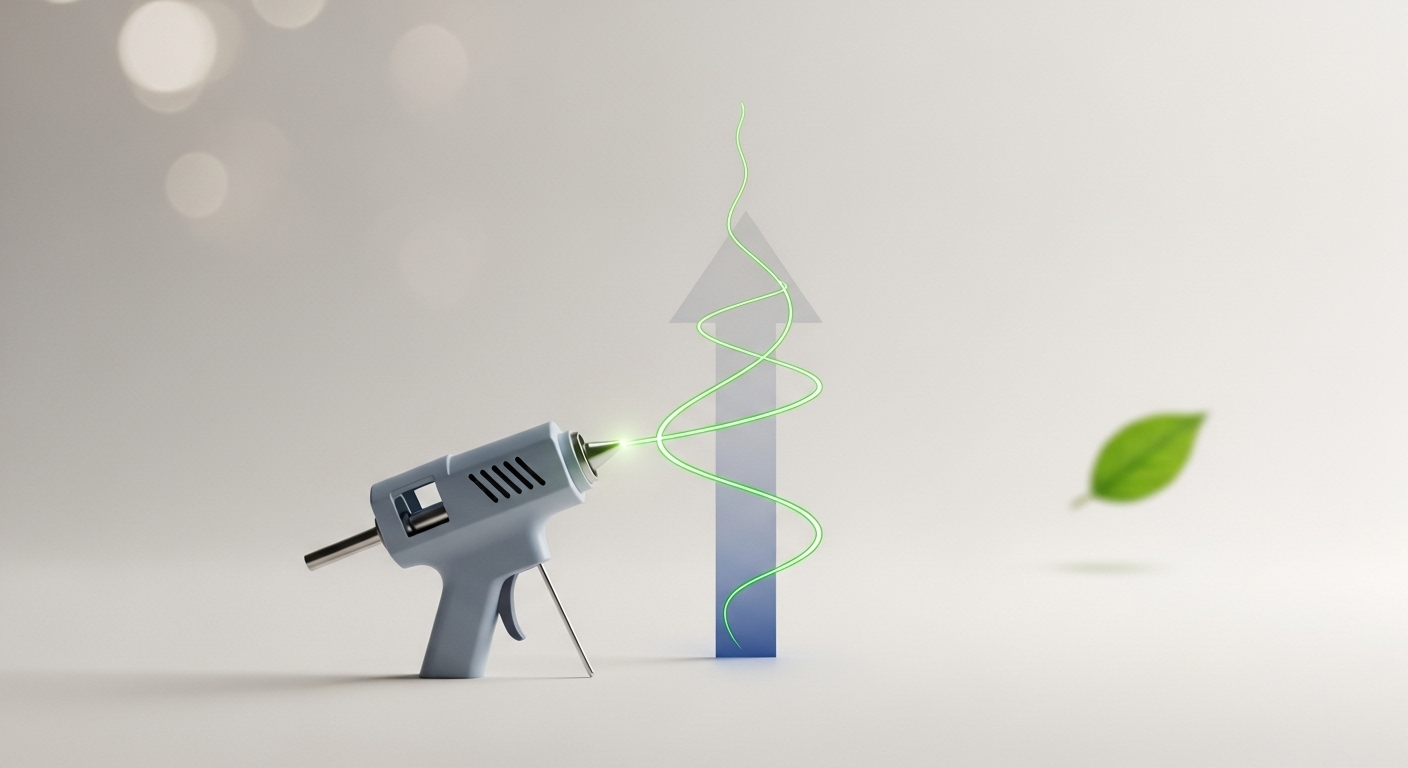
At its core, a hot melt adhesive is a type of thermoplastic adhesive. This means it is solid at room temperature, becomes a liquid when heated, and rapidly returns to a solid state upon cooling to create a strong bond. The process is purely physical, involving no chemical reactions or solvents, which makes it incredibly fast and efficient. The basic working principle is simple: the solid adhesive, often in the form of sticks, pellets, or blocks, is melted using a specialized applicator (like a hot glue gun). The molten adhesive is then applied to a surface, and the second surface is brought into contact. As the adhesive cools down—often in just a few seconds—it solidifies, creating a durable bond between the two materials.
The composition of HMA typically includes three main components:
- Polymers: These form the backbone of the adhesive, providing its strength, flexibility, and thermal stability. Common polymers include ethylene-vinyl acetate (EVA), polyolefins, and polyamides.
- Resins: Also known as tackifiers, these components enhance the initial stickiness or "tack" of the molten adhesive, ensuring it grips the surfaces immediately upon application.
- Waxes: Waxes are used to modify the viscosity (flowability) of the molten adhesive and control its "open time"—the window during which a bond can be made after application.
💡핵심 포인트
- What it is: A thermoplastic adhesive that is solid at room temperature and melts when heated.
- How it works: It is applied in a molten state and creates a bond by cooling and solidifying.
- Key Components: Primarily made of polymers, resins, and waxes, with no solvents involved.
Where Do We Find Hot Melt Adhesives in Daily Life? 📦
You interact with hot melt adhesives far more often than you might realize. Their rapid bonding time and versatility make them a preferred choice in a vast array of manufacturing and assembly processes. From large-scale industrial applications to simple household crafts, HMA is everywhere. Its ability to bond a wide range of substrates, including paper, plastic, wood, fabric, and even some metals, makes it an indispensable tool. As we look towards 2026, its applications continue to expand into new and innovative fields, driven by advancements in polymer science and a growing demand for efficient, eco-friendly bonding solutions.
Here are some of the most common applications you'll find in your daily life:
- Packaging: This is one of the largest markets for HMA. It's used to seal cardboard boxes, cartons, and food packaging, providing a secure and tamper-evident closure that can withstand the rigors of shipping.
- Bookbinding: The spine of many paperback books is held together with a flexible and strong hot melt adhesive that allows the book to open flat without breaking.
- Furniture and Woodworking: HMA is used for edge banding on furniture like desks and cabinets, creating a clean, durable finish. It's also used in product assembly and for laminating surfaces.
- Electronics: Inside electronic devices, dabs of hot melt are often used to secure wires, components, and connectors in place, protecting them from vibration and shock.
- Textiles and Non-wovens: In the manufacturing of diapers, feminine hygiene products, and medical gowns, hot melt adhesives are used to bond layers of fabric together without compromising softness or flexibility.
The Compelling Advantages of Using Hot Melt Adhesives ✨
The widespread adoption of hot melt adhesives isn't a coincidence; it's driven by a powerful set of benefits that outperform many traditional bonding methods. For both industrial manufacturers and DIY enthusiasts, these advantages translate into greater efficiency, lower costs, and improved product quality. The absence of volatile organic compounds (VOCs) also makes them a more environmentally friendly option compared to solvent-based adhesives, a factor that has become increasingly important in 2026. This unique combination of speed, strength, and safety is why HMA continues to be a go-to solution for bonding challenges across the board.
The primary advantages include:
- Extremely Fast Set Time: Hot melts bond as quickly as they cool, often within seconds. This rapid setting allows for high-speed production lines and immediate handling of assembled parts, drastically reducing manufacturing time.
- Solvent-Free Composition: Since they contain 100% solid materials, hot melts do not release harmful solvents into the atmosphere during application. This improves workplace safety and reduces environmental impact.
- Long Shelf Life: Unused hot melt adhesives are exceptionally stable and can be stored for long periods without degrading, reducing waste and inventory management costs.
- Versatile Adhesion: Modern HMA formulations are designed to bond an incredible variety of materials, from porous paper and wood to non-porous plastics and metals.
- Gap-Filling Capabilities: Unlike thin liquid glues, hot melts have a higher viscosity that allows them to fill small gaps and bond uneven surfaces effectively.
💡핵심 포인트
- Speed: Bonds are formed in seconds, enabling fast-paced assembly.
- Eco-Friendly: 100% solid, solvent-free composition means no harmful VOC emissions.
- Stability: Excellent shelf life and resistance to degradation during storage.
- Versatility: Bonds a wide range of similar and dissimilar materials.
Understanding the Limitations and Considerations 📉
While hot melt adhesives offer numerous benefits, it's equally important to understand their limitations to ensure they are the right choice for your specific application. No single adhesive is perfect for every situation, and HMA is no exception. The primary constraints of hot melt adhesives are related to their thermoplastic nature. Because they soften when heated, they are generally not suitable for applications that will be exposed to high temperatures. Acknowledging these limitations is the first step in selecting the correct adhesive and avoiding potential bond failure down the line. For projects requiring high heat or structural-grade strength, other adhesive technologies might be more appropriate.
Key considerations include:
- Low Thermal Resistance: Standard hot melt adhesives can soften or lose their bond strength when exposed to elevated temperatures. This makes them unsuitable for items that may be left in a hot car, placed near a heat source, or undergo heat sterilization.
- Thicker Bond Lines: Due to their viscosity, hot melts typically create a thicker bond line compared to solvent-based or cyanoacrylate (super glue) adhesives. This may not be desirable for applications requiring a seamless, invisible joint.
- Specialized Equipment Required: Application requires a heating unit, such as a simple craft glue gun or a complex industrial dispensing system, which adds an initial equipment cost.
- Potential for Stringing: During application, fine, hair-like "strings" of adhesive can sometimes form between the nozzle and the substrate, which may require cleanup.
| Feature | Hot Melt Adhesives | Solvent-Based Adhesives |
|---|---|---|
| Bonding Mechanism | Physical process (cooling) | Chemical process (solvent evaporation) |
| Set Time | Seconds | Minutes to hours |
| Environmental Impact | Low (No VOCs) | High (Contains VOCs) |
| Heat Resistance | Generally low to moderate | Can be formulated for high resistance |
| Equipment | Heating applicator required | Often applied directly from container |
A Beginner's Guide to Using Hot Melt Adhesives Safely ⚠️
Using hot melt adhesives is straightforward, but safety should always be the top priority. The primary hazard is the high temperature of the molten adhesive and the applicator nozzle, which can cause serious burns. By following a few simple steps and precautions, you can ensure a safe and successful bonding experience. Proper preparation of both your workspace and the materials you intend to bond is crucial for achieving a strong, reliable connection. Always work in a well-ventilated area and keep flammable materials away from the hot applicator. Taking the time to follow these safety protocols will not only protect you from injury but also lead to better, more professional results in your projects.
Step-by-Step Application Process:
- Preparation: Ensure the surfaces to be bonded are clean, dry, and free of dust, oil, or grease. A clean surface is essential for strong adhesion.
- Heating: Insert the hot melt stick into the applicator and allow it to heat up completely. This usually takes 5-10 minutes, depending on the model. Do not rush this step.
- Application: Apply the molten adhesive to one of the surfaces. Work quickly, as the adhesive begins to cool and set immediately.
- Bonding: Press the two surfaces together firmly and hold them in place for 15-30 seconds while the adhesive cools and solidifies. The bond will reach its full strength once completely cool.
| Safety Checklist | Action Required |
|---|---|
| Personal Protective Equipment | Always wear safety glasses and heat-resistant gloves. |
| Work Area | Use in a well-ventilated space on a stable, heat-resistant surface. |
| Applicator Handling | Never touch the heated nozzle. Use the built-in stand when not in use. |
| Burn First Aid | In case of skin contact, immediately immerse the burn in cold water. Do not peel off the adhesive. |
| Storage | Unplug the applicator after use and allow it to cool completely before storing. |
How to Choose the Right Hot Melt Adhesive for Your Needs 🎯
With a wide variety of hot melt formulations available in 2026, selecting the right one is key to the success of your project. Different adhesives are engineered with specific properties to perform best under certain conditions and with particular materials. Choosing the wrong type can lead to a weak bond or complete failure. To make an informed decision, you need to consider the specific demands of your application. Think about the materials you are joining, the environment the final product will be in, and the performance you expect from the bond. Answering these questions will help you narrow down the options and find the perfect HMA for your needs.
Key Factors to Consider:
- Substrates: What materials are you bonding? Some formulations are designed for porous materials like paper and wood, while others are better for non-porous plastics or metals.
- Service Temperature: Will the final product be exposed to extreme heat or cold? Choose an adhesive with a temperature resistance range that matches the intended environment.
- Open Time: This is the time you have to join the surfaces after the adhesive is applied. Short open times are ideal for automated processes, while longer open times are better for manual assembly of larger or more complex parts.
- Flexibility: Does the bond need to be rigid, or does it require some flexibility to withstand movement or vibration? Polyamide-based hot melts, for example, offer excellent flexibility.
Always Test First!
Before committing to a large-scale project or production run, always test the chosen hot melt adhesive on a small, inconspicuous area of your actual materials. This allows you to check for adhesion strength, appearance, and compatibility, ensuring it meets your expectations without wasting valuable materials or time.